


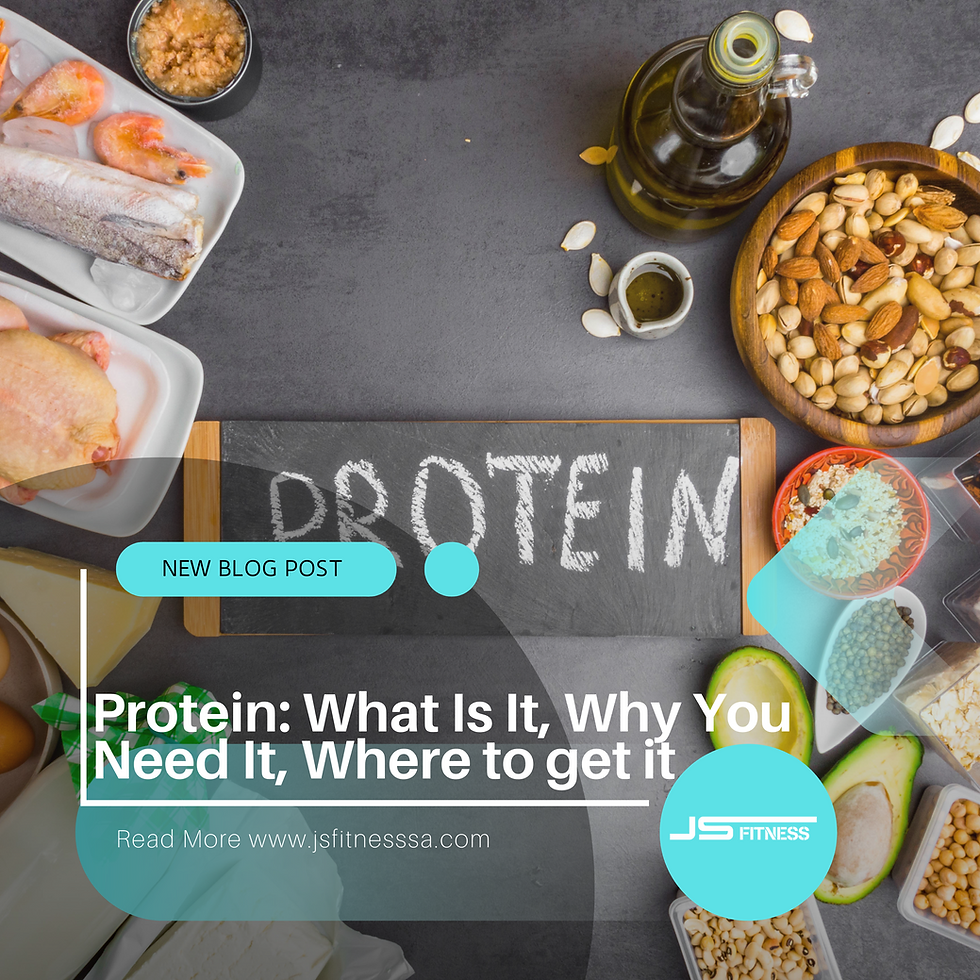
Protein: What It Is, Why You Need It, and Where to Get It
Protein is one of the most important macronutrients your body needs. Whether you’re looking to build muscle, lose weight, or simply maintain a healthy lifestyle, understanding protein is essential. This guide will break down what protein is, why it’s important, different types of protein, and the best sources to include in your diet.
What Is Protein?
Protein is a macronutrient made up of amino acids, which are the building blocks of your body’s cells, muscles, tissues, and organs. Your body needs protein to repair and grow tissues, produce enzymes and hormones, and support various bodily functions.
There are 20 amino acids in total, and they are classified into three categories:
• Essential Amino Acids- Your body cannot produce these, so they must come from food.
• Non-Essential Amino Acids- Your body can produce these on its own.
• Conditional Amino Acids- These are only needed in times of illness or stress.
Why Is Protein Important?
1. Muscle Growth & Repair
Protein helps build and repair muscle tissue, which is crucial for fitness enthusiasts, athletes, and anyone looking to stay strong.
2. Supports Metabolism & Fat Loss
A high-protein diet can boost metabolism and help with fat loss by increasing feelings of fullness and reducing cravings.
3. Strengthens Immune System
Your immune system relies on protein to create antibodies that help fight infections.
4. Maintains Healthy Hair, Skin, and Nails
Keratin, collagen, and elastin are proteins responsible for keeping your hair, skin, and nails strong and healthy.
5. Helps Regulate Hormones
Protein plays a role in producing and regulating important hormones like insulin and growth hormone.
Here are some benefits of Protein for Women.

How Much Protein Do You Need?
Your protein needs depend on your age, activity level, and fitness goals. A general guideline:
• Sedentary individuals: 0.8g of protein per kg of body weight
• Active individuals: 1.2- 2.0g per kg of body weight
•Athletes & bodybuilders: 2.0- 2.5g per kg of body weight
Example: If you weigh 70kg (154 lbs) and are moderately active, you should consume around 1.5g x 70kg = 105g of protein per day.
Looking for a scrumptious treat that satisfies your sweet tooth while providing a healthy dose of protein? Try this Recipe.
Types of Protein
Complete vs. Incomplete Proteins
Complete Proteins contain all 9 essential amino acids and are found in animal-based foods and some plant-based sources.
Incomplete Proteins lack one or more essential amino acids and are Found in most plant-based sources like beans, grains, and nuts.
Best Protein Sources
Animal-Based Proteins (Complete Proteins)
• Chicken Breast- Lean and packed with protein
• Eggs- High-quality protein with essential nutrients
• Salmon & Tuna- Rich in protein and omega-3 fatty acids
• Lean Beef- Great source of iron and protein
• Greek Yogurt- High-protein dairy option with probiotics
• Cottage Cheese- Casein protein, great for muscle recovery

Plant-Based Proteins
• Lentils & Chickpeas- Great plant-based protein sources
• Tofu & Tempeh- Soy-based complete proteins
• Quinoa- One of the few plant-based complete proteins
• Nuts & Seeds (Almonds, Chia, Hemp, Pumpkin Seeds)- Rich in protein and healthy fats
• Beans & Rice (combined) - Together, they form a complete protein

Final Thoughts
Protein is essential for overall health, not just for athletes or bodybuilders. Whether you’re aiming for muscle growth, fat loss, or better recovery, making protein a key part of your diet can help you reach your goals. Although this blog article might be extensive and delves deeper into your understanding pf protein, it’s important to note its key benefits, whether its from Plant Based sources or Animal Based Sources, Complete or Incomplete, don’t get stuck in the science and enjoy the process of experimenting or stick to your preference.


Comments